

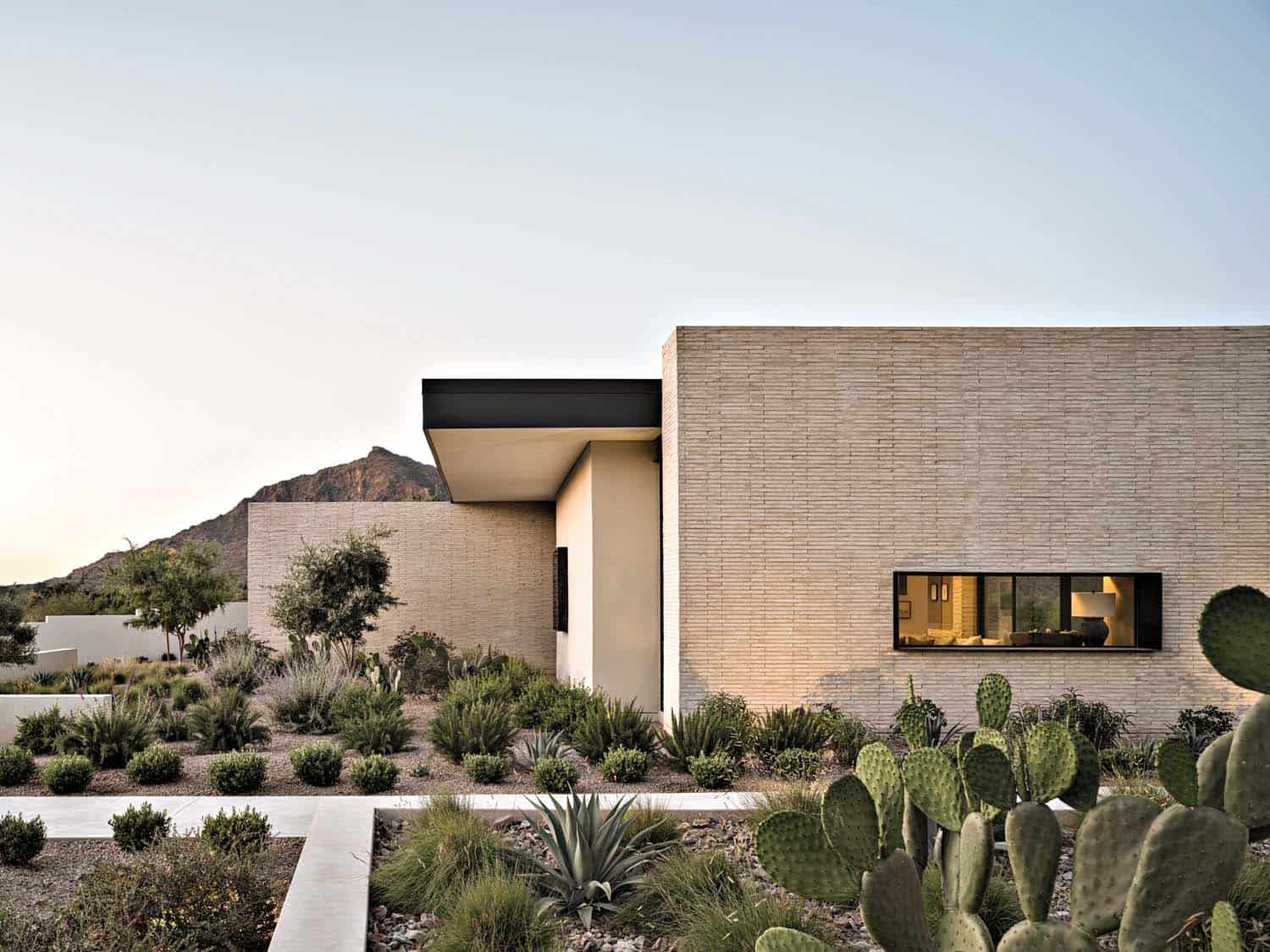
Most people who build a custom home in Arizona have never done it before. That is the entire problem.
You are about to make the largest financial commitment of your life, in an industry you do not know, with a vocabulary you have never used, on a timeline you cannot control. The builder does this every day. You do not. That gap is where things go wrong, and it is why so many custom home stories end with a blown budget, a broken timeline, or a lawsuit.
It does not have to go that way. Building a custom home in Arizona can be the best decision you ever make, and it usually is when the homeowner understands the process before they are standing in the middle of it.
This is the full picture, from the first conversation to the day you get the keys.
Start With the Land, Not the House
Almost everyone gets this backwards. They fall in love with a floor plan, then go looking for somewhere to put it.
Build the other way around. The land determines what is possible, what it will cost, and how the home should be designed. Two lots at the same price can differ by a hundred thousand dollars in what it takes to build on them.
Before you buy, know the answers to these questions.
What is under the soil? Arizona soil conditions vary enormously, and expansive or poor soils can require an engineered foundation that adds serious cost. A soils report tells you before you commit, not after.
Where do the utilities stop? Is there water, sewer, power, and gas at the lot line, or does the nearest connection sit half a mile away? Running utilities is expensive, and on rural parcels you may be looking at a well and a septic system rather than a connection.
How does water move across this land? Drainage and grading matter more in the desert than people expect. Monsoon season delivers enormous volumes of water very quickly, and a lot that sits in a wash or a low point is a problem you will fight forever.
What is the topography? A sloped or hillside lot delivers spectacular views and demands more engineering, more foundation, and more money.
What are the rules? Setbacks, height limits, HOA and design review requirements, and county or municipal restrictions all shape what you are allowed to build. Some of the most beautiful communities in Arizona have the strictest design review, and finding that out late is painful.
A good builder walks the land with you before you buy it. That single meeting can save you from a very expensive mistake.
Design for the Desert, Not Against It
This is where Arizona diverges completely from generic home building advice.
Your largest ongoing expense in this house will be cooling it. That reality should shape the design from the first sketch, not get patched on at the end with a bigger air conditioner.
Orientation is free and it matters enormously. How the home sits on the lot determines how much sun hits which walls at what time of day. Getting this right reduces your cooling load permanently.
Shade is architecture. Deep overhangs, covered patios, ramadas, and strategic window placement do real work. This is why traditional desert architecture looks the way it does. It was not an aesthetic choice.
The building envelope is where the money hides. Insulation, quality windows, and a properly sealed structure determine whether your home is comfortable and affordable to run, or a machine for converting electricity into cold air.
HVAC sizing must be correct. Oversized systems short cycle, fail to remove humidity properly, and wear out early. Undersized systems never catch up in July.
Outdoor living is not an afterthought in Arizona. It is a room. Design it as one, with shade and orientation that make it usable for more of the year.
A builder who understands the desert designs for it from day one. A builder who does not will hand you a home that fights the climate for the next thirty years, and you will pay for that every single month.
Budget Like an Adult
The number in your head is probably not the number.
Understand what is actually in the price. Land, site work, utilities, permits and fees, design and engineering, the structure itself, finishes, landscaping, and the driveway. People routinely budget for the house and forget half of this list.
Build in a contingency. Ten to twenty percent minimum. It is not pessimism, it is arithmetic. Something will come up.
Watch the allowances. Builders quote allowances for finishes like flooring, fixtures, and countertops. If those allowances are set low, your quote looks competitive and your final bill does not. Ask what the allowances assume and whether they reflect what you actually want.
Be very suspicious of the lowest bid. In construction, a bid well below the others usually means something was missed, something will be cut, or the difference will arrive later as change orders. Compare bids line by line, not by the bottom number.
Change orders are the budget killer. Every change after construction starts costs more than it would have cost during design. Decide as much as possible before anyone breaks ground.
Verify the Builder’s License. Seriously.
This is the most important five minutes of your entire project, and most people skip it.
Arizona requires contractors to be licensed through the Registrar of Contractors, and you can look up any contractor’s license for free at roc.az.gov. Check that the license is active, that it covers the type of work you need, and that you see the complaint history.
Now here is the part almost nobody knows, and it is the reason this matters so much.
Arizona operates a Residential Contractors’ Recovery Fund. If a licensed residential contractor takes your money and fails you, an eligible homeowner can recover actual damages from the Fund, up to a maximum of $30,000 per residence. Every licensed residential contractor pays into it.
The catch is absolute. The Fund is only available to homeowners who hired a licensed contractor. If you hire an unlicensed builder, you have no access to it. None. The cheaper guy without a license is not saving you money. He is quietly removing a financial protection you would otherwise have, and you will only discover that when you need it.
Hiring licensed is not a formality. It is the difference between having recourse and having nothing.
Get the Contract Right
Read it. All of it. Before you sign.
A proper Arizona construction contract states the full scope of work in detail, lists the materials and specifications, gives a start date and a completion date, sets out a payment schedule tied to completed phases of work rather than to the calendar, defines how change orders are handled and priced, and states the warranty.
Two things that should concern you. A demand for a very large payment before any work begins. And any contractor unwilling to put something in writing that they were happy to promise out loud.
What Actually Happens, Phase by Phase
Design and engineering. Plans, structural engineering, and the specifications that everything else depends on. This takes longer than people expect. Start early and make your decisions here, where changes are cheap.
Permitting. Your plans go to the city or county for review. Timelines vary and this phase is largely out of your builder’s control. Budget patience.
Site work. Clearing, grading, drainage, utilities, and the pad.
Foundation. Poured, cured, and inspected.
Framing. The most satisfying phase. Suddenly the house exists and you can walk through the rooms.
Rough ins. Electrical, plumbing, and HVAC go in before the walls close. Inspections follow. This is your last chance to change anything easily, so walk the house at this stage.
Insulation and drywall. The house closes up and starts to feel like a home.
Finishes. Cabinets, flooring, tile, fixtures, paint, trim. This is the longest phase and the one where the schedule most often slips, because it involves the most trades and the most decisions.
Final inspection and walkthrough. You and the builder walk every room and build a punch list. Everything on that list gets fixed before you close it out.
Handover. Keys, warranty documentation, and the manuals for everything in the house.
A custom home in Arizona commonly takes eight to fourteen months from groundbreaking to completion, depending on size, complexity, and how permitting goes. Design and permitting happen before that clock even starts.
What Your Builder Needs From You
Projects go well when the homeowner shows up. Here is what actually helps.
Decide early and stick to it. Indecision costs money and time. Every deferred decision compresses the schedule later.
Communicate through the right channel. Do not give direction to a subcontractor on site. Tell your builder. Verbal side conversations are where scope creep and disputes are born.
Put every change in writing. Always. Even the small ones.
Visit, but respect the site. It is an active construction site with real hazards. Coordinate visits with your builder.
Expect at least one surprise. Every project has one. The measure of a good builder is not that nothing goes wrong. It is how they tell you about it and how they solve it.
Build With Someone Who Has Done This Before
Gold Canyon Contractors has been building for Arizona homeowners since 2003. Licensed and insured, with over twenty years of custom homes, additions, remodels, and restorations across Gold Canyon, Queen Creek, San Tan Valley, Gilbert, Chandler, and the East Valley.
The process is straightforward. A free consultation to understand your vision, your land, and your budget. Then design and build, with permits, plans, and every phase of construction handled and communicated. Then a final walkthrough where we go through every detail together before you get the keys.
Your vision. Our expertise. Building your trust one project at a time.
Contact Zack Webster and the Gold Canyon Contractors team for a free consultation. (602) 402-3851
[CLIENT: Add your ROC license number here and in the site footer. Arizona homeowners verify contractors at roc.az.gov, and publishing your number openly is one of the strongest trust signals you have. It costs nothing and it directly supports the Recovery Fund argument above.]
Frequently Asked Questions
How long does it take to build a custom home in Arizona? A custom home typically takes eight to fourteen months from groundbreaking to completion, depending on size, complexity, and permitting timelines. Design and permitting occur before that period begins, so plan for additional months on the front end.
How do I check if an Arizona contractor is licensed? Look up the contractor for free through the Arizona Registrar of Contractors at roc.az.gov. Confirm the license is active, covers the work you need, and review any complaint history before you sign anything.
What is the Arizona Residential Contractors’ Recovery Fund? It is a state administered fund that can compensate eligible homeowners for actual damages when a licensed residential contractor fails them, up to a maximum of $30,000 per residence. Critically, it is only available to homeowners who hired a licensed contractor. Hiring unlicensed forfeits this protection entirely.
Should I buy the lot before choosing a builder? It is usually better to involve a builder before you buy. Soil conditions, utility access, drainage, topography, and setback or HOA restrictions all affect what a lot will cost to build on, and a builder can identify problems before you commit.
How much should I set aside for unexpected costs? Plan a contingency of at least ten to twenty percent above your project estimate. Site conditions, permitting, and mid project changes commonly produce costs that were not in the original number.
What is the difference between a custom home and a production home? A production home is built from a builder’s existing plan with limited options. A custom home is designed around your land, your lifestyle, and your specifications. Custom takes longer and costs more, and it produces a home that fits how you actually live.
Why does designing for the desert matter so much? Cooling is the largest ongoing cost of owning a home in Arizona. Orientation, shade, insulation, window quality, and properly sized HVAC determine how comfortable and affordable the home is to run. These decisions must be made in design, not corrected later.